APPLY TO BE A BONNER
The Bonner Program is a four-year leadership, learning, and career-development experience for students who want college to prepare them for purposeful work and meaningful social impact. Through paid, community-based internships, sustained service, and structured learning, Bonners gain real-world experience while helping communities address complex social, economic, and environmental challenges.
-
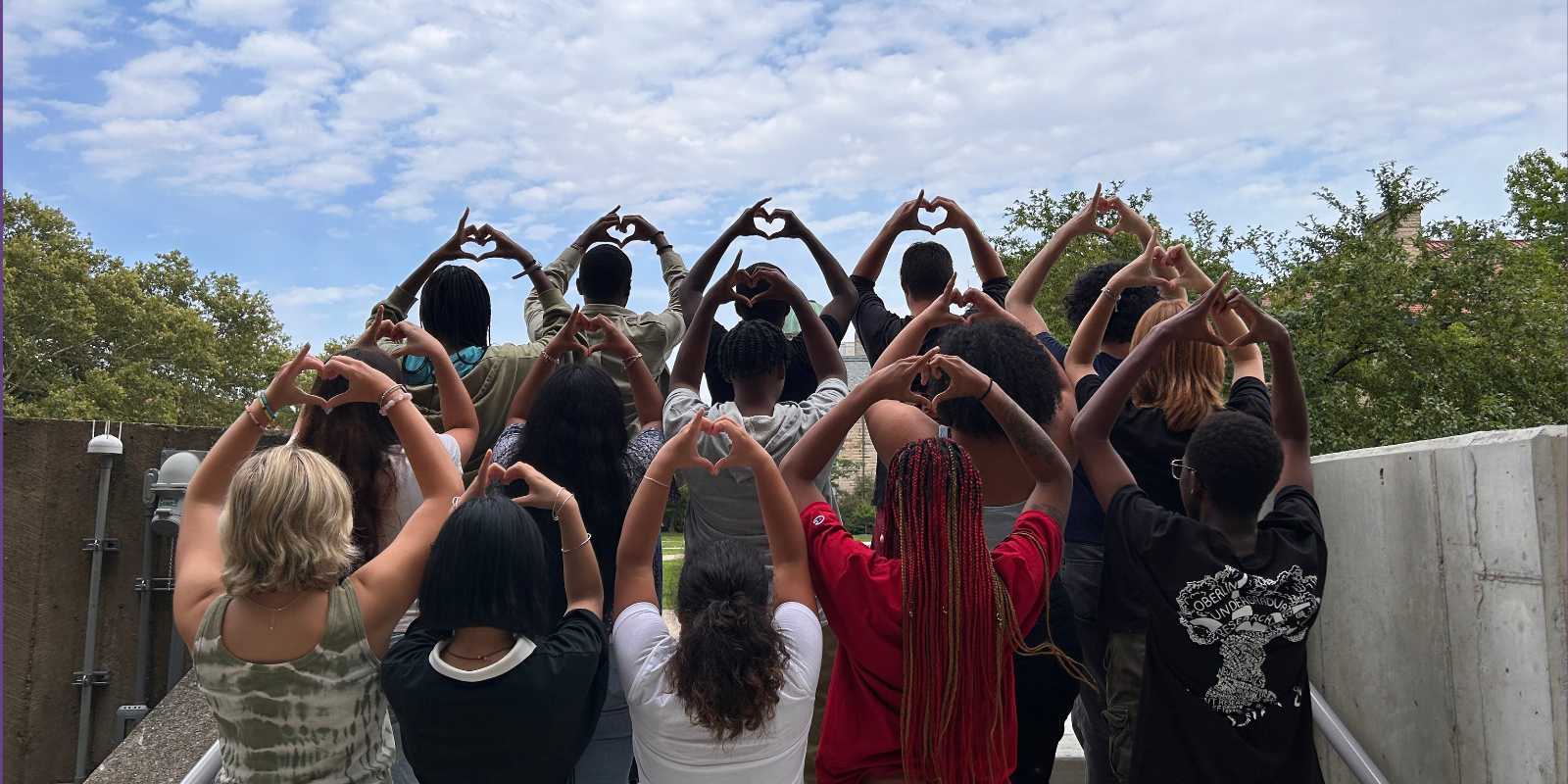
Students do not take this journey alone. Each Bonner joins a close-knit cohort, typically 10 to 15 students per class, supported by dedicated campus staff. Cohort members meet weekly to learn, reflect, solve problems, and support one another.
As they advance, they assume greater responsibility and mentor younger Bonners. Every student completes 1,200+ hours of engagement (or much more) by graduation, effectively being another “major” in social change.
Over four years, students complete 250 hours of training and enrichment in communication, teamwork, leadership, public policy, fundraising, program evaluation, strategy, entrepreneurship, and human-centered design.
This combination of friendship, shared purpose, staff guidance, and weekly learning creates a resilient community that helps students belong, navigate challenges, and persist toward graduation.
Foundation research reinforces this point. A 2025 analysis of ten Bonner Programs found positive first-year retention outcomes at seven and significantly higher degree attainment at nine—even though Bonners are often more likely than their peers to come from low-income backgrounds or enter college with factors associated with attrition
-
Specific activities, compensation, and requirements vary by campus, but the goal is consistent: students grow from participants into experienced, reflective leaders.
Year 1 — Explore: Learn about the community, build foundational skills, and begin working with a nonprofit or public organization.
Year 2 — Deepen: Strengthen a community partnership, understand an issue more fully, and take on greater responsibility.
Year 3 — Lead: Manage projects, mentor other students, and help an organization improve or expand its work.
Year 4 — Integrate: Complete a capstone or culminating project and connect Bonner experience to a career, graduate education, or public service. Pursue post-graduate pathways (such as work or graduate school) that reflects their purpose.
-
Students who are Bonner Leaders and Scholars serve in part-time, community-based internships during the academic year and may participate in intensive summer service or internship experiences. They build sustained relationships with nonprofit organizations, schools, public agencies, and community groups working on issues such as food and housing security, educational equity, health equity, environmental sustainability, and youth development.
Because Bonners work alongside experienced professionals who have addressed these challenges for years, they learn how communities function, why difficult problems persist, and what responsible partnership requires. They do more than complete volunteer hours. They contribute to long-term work while learning how organizations create change.
-
By graduation, Bonners leave with real-world experience, a stronger sense of purpose, a lasting campus community, and a national network of peers and more than 22,000 alumni. They can point to meaningful projects, professional relationships, and concrete examples of leadership and problem-solving.
That commitment often continues after college. In a national alumni survey, 78% had volunteered during the previous year, while 34% worked in nonprofits and 31% in government. The survey also found that 90% had voted in the most recent election.[3] Among Bonner seniors surveyed in 2019, roughly 85% planned to use their learning to solve community problems, and 92% were interested in careers that contribute to society’s well-being.[4]
Bonner also opens doors to graduate education. The Foundation has developed more than 30 graduate-school partnerships across public policy, business, education, law, public health, social work, international affairs, STEM, nonprofit leadership, and other fields. Benefits for Bonner students and alumni may include application-fee waivers, tuition discounts, stipends, and scholarships—sometimes worth tens of thousands of dollars or full tuition.[5]
Partners include nationally recognized programs at Emory, Washington University in St. Louis, Vanderbilt, Carnegie Mellon, and other institutions. Explore Bonner’s graduate-school partnerships.
Bonner alumni bring their leadership and civic commitment to careers across business, government, nonprofits, education, health, technology, social enterprise, and other fields.
Where & How to apply
The Bonner network includes a remarkably wide range of colleges and universities, each with its own character, strengths, history, culture, and sense of place. Students can choose among large public research universities, small private liberal arts colleges, HBCUs, community colleges, and highly selective institutions. Some campuses are rooted in rural Appalachian communities; others are located in major cities, suburbs, the Rocky Mountains, or Hawai‘i.
The profiles in this guide help students, families, and school counselors quickly compare these options. Each offers a concise look at the institution, its academic and experiential strengths, and its Bonner Program.
There is no single national Bonner application. Students apply through the college or university they hope to attend. Explore the profiles below to find a college—and a Bonner community—where you can learn, belong, lead, and make a difference. Then visit each institution’s admissions and Bonner Program pages for current information about eligibility, deadlines, financial aid, and application steps.
Bonner SCHOLAR PROGRAMS
Bonner Scholar Programs are supported by dedicated endowments that help participating colleges provide substantial need-based financial aid. At many institutions, this support is designed to help meet a student’s full demonstrated financial need. Bonner Scholars also receive funding for two summer service or internship experiences. Click on the logos below to learn more about each program.





Bonner LEADER PROGRAMS
Bonner Leader Programs typically use Federal Work-Study and other institutional funds to pay students for their community-based work. Many colleges also provide additional support, such as scholarships, tuition discounts, or stipends. Click on the logos below to learn more about each program.