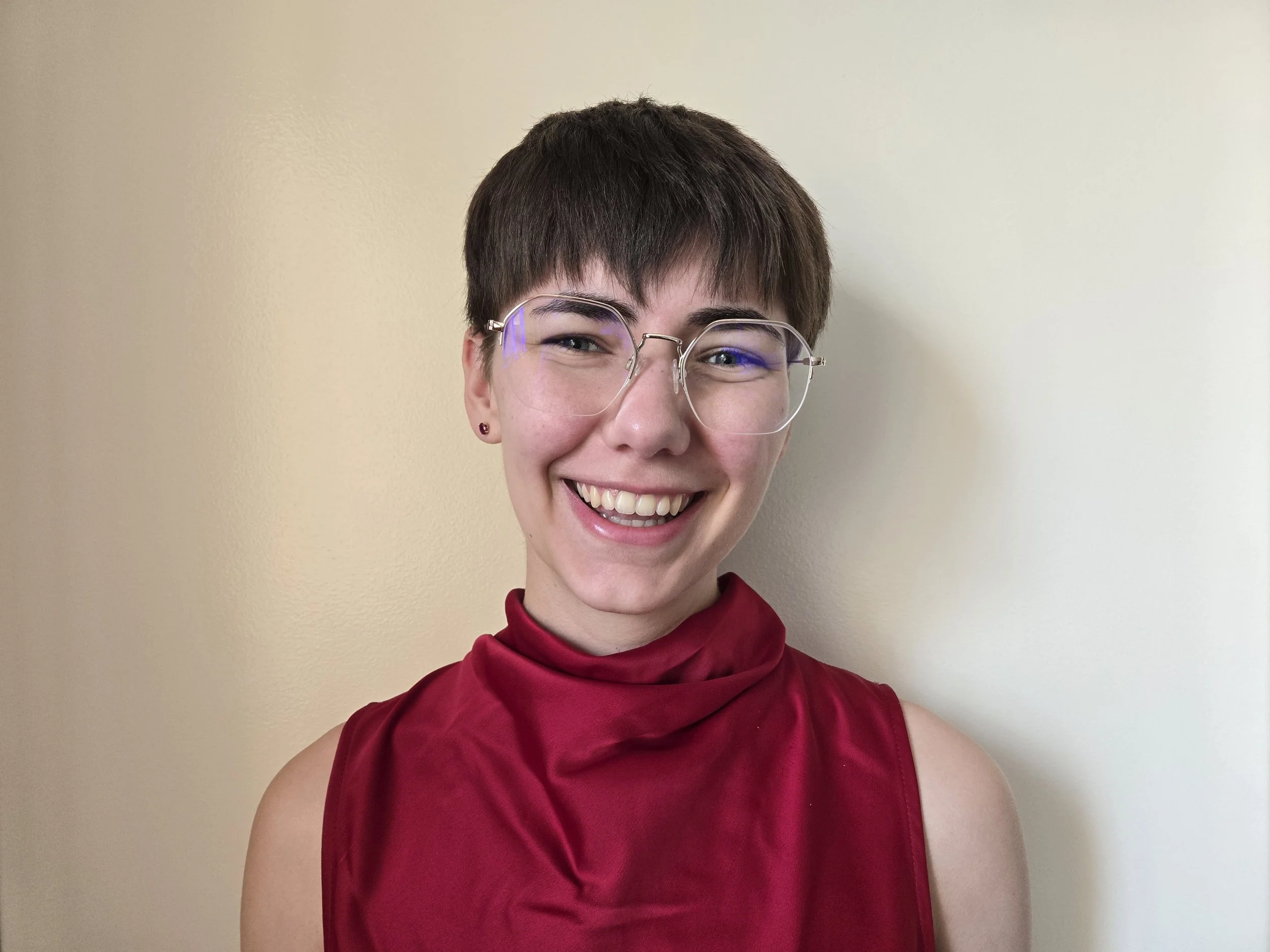
At Rollins College in Winter Park, Bonner Leader Embry Burton (they/them) has woven together science, service, and leadership in ways that reflect the heart of the Bonner mission. This fall, Embry will continue that journey at the Rollins School of Public Health at Emory University, pursuing a Master of Public Health (MPH) with a concentration in Global Health and a certificate in Genetic and Molecular Epidemiology.
For Embry, Bonner wasn’t just an extracurricular program—it was the reason they chose Rollins.
“I knew I was passionate about continuing community service throughout college,” Embry shared, “but I needed a structured program to help keep me accountable in my work.” That structure came through the Bonner Program at Rollins, which integrates sustained community engagement, leadership development, and social justice education across all four years.
Service Rooted in Community Partnership
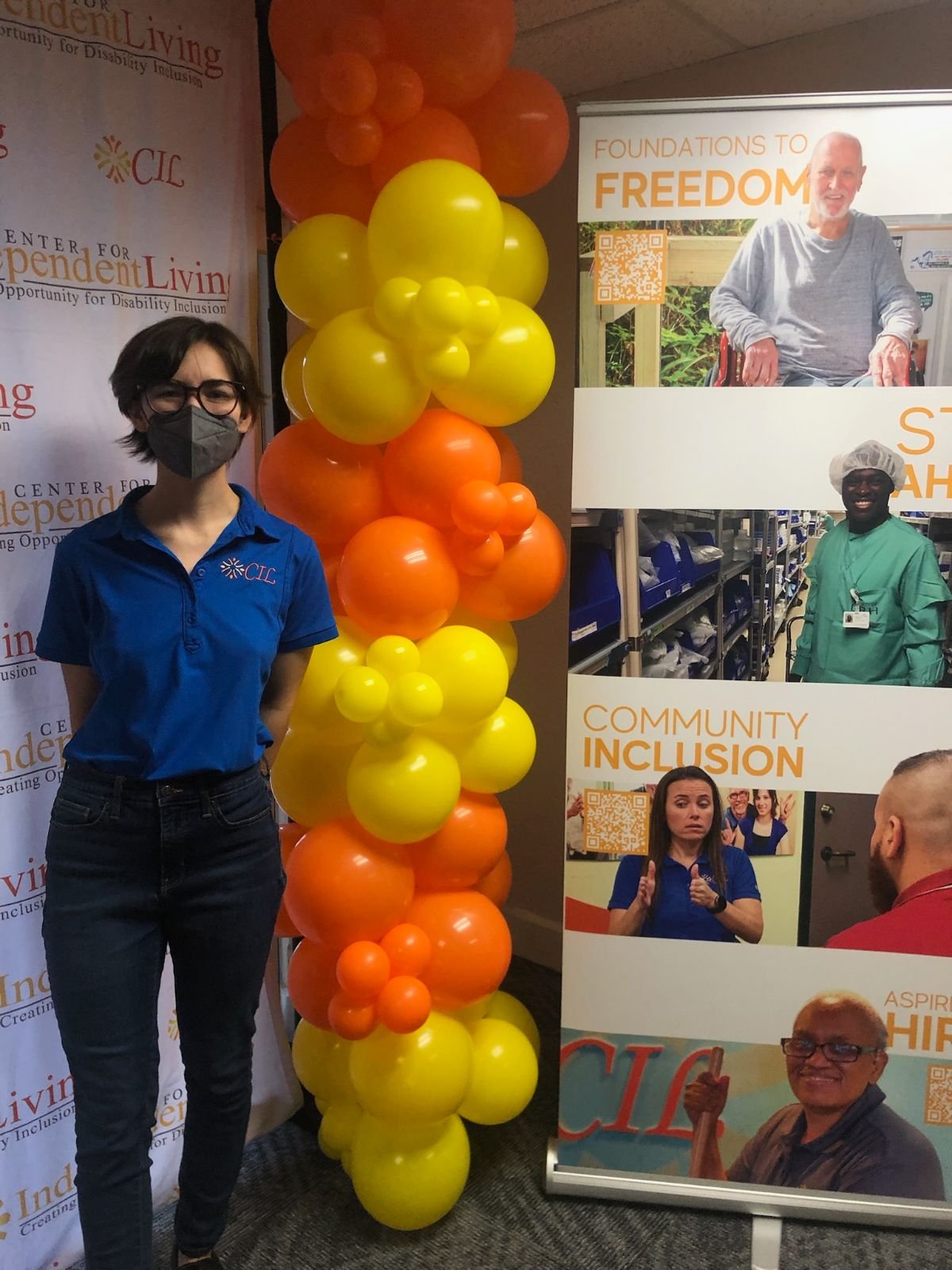
During their first three years, Embry served with the Center for Independent Living, a nonprofit organization supporting people with disabilities. Working in both the development and records departments, they gained firsthand experience in nonprofit operations, data management, and the systems that support equitable access and inclusion.
In their senior year, Embry stepped into a new role on the Bonner Leadership Team, helping to guide fellow Bonners and strengthen the program’s impact on campus and in the broader community.
The Rollins Bonner Program reflects the broader vision of the Bonner Foundation, which partners with colleges and universities nationwide to develop civic leaders committed to community engagement and social justice. At Rollins, Bonner Leaders commit to ongoing weekly service, participate in reflection and dialogue around systemic inequities, and engage in leadership training designed to connect academic learning with real-world impact.
Integrating Science and Social Justice
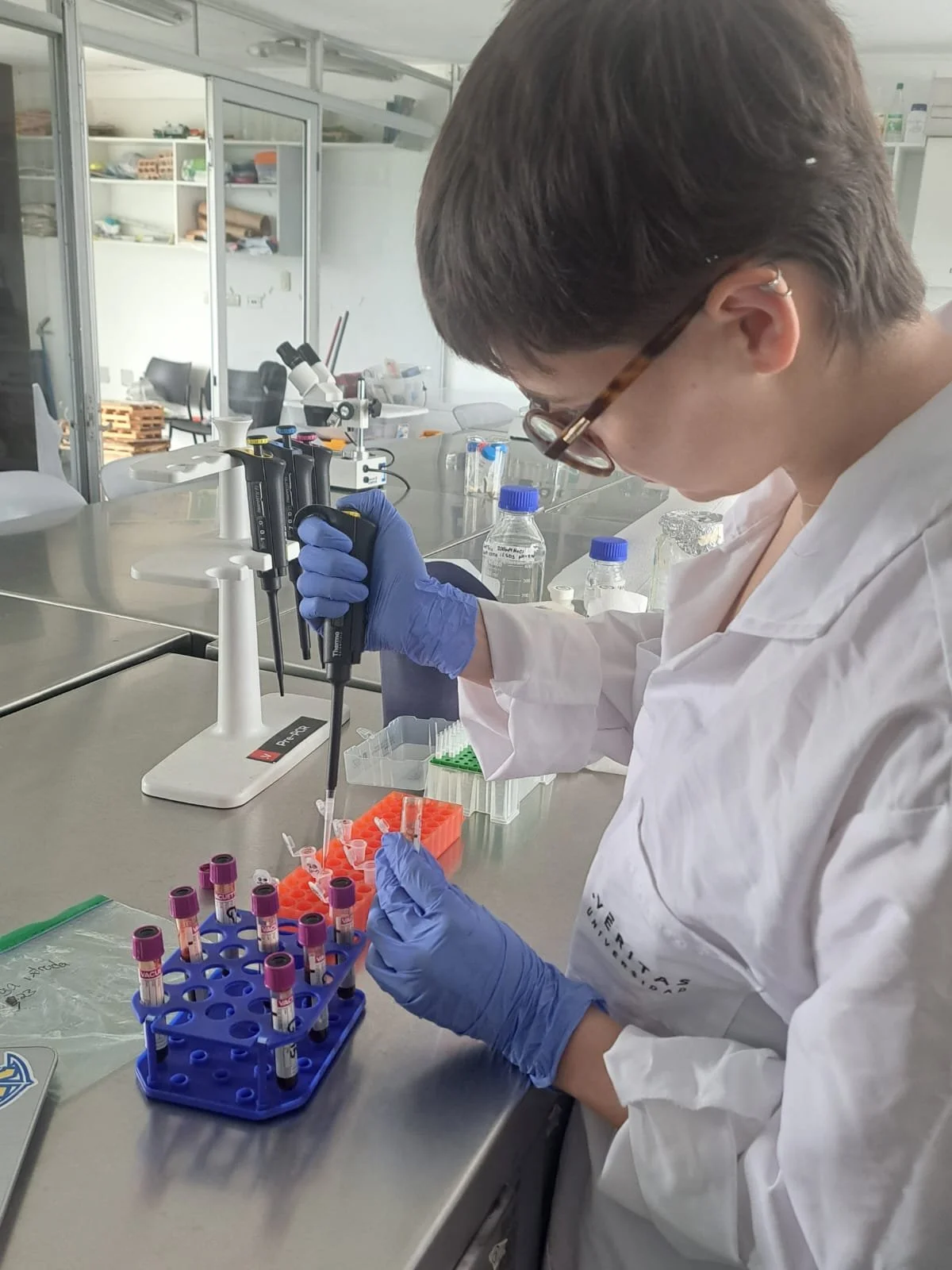
A Biochemistry & Molecular Biology major, Embry initially envisioned a future grounded in the “hard sciences.” Yet through Bonner’s emphasis on social justice and systemic change, they began to see how their scientific interests could intersect with public health and community impact.
“My time in Bonner has taught me about social justice, activism, and leadership,” Embry explained. “While I love my major, I realized I wouldn’t be satisfied pursuing a career that was strictly hard science. I want to use it as the basis of my career while incorporating a defined structure of community service into my work.”
That realization led them to public health—specifically, global health and genetic epidemiology—fields that blend molecular science with population-level strategies to address health disparities worldwide.
Their next destination, Emory’s Rollins School of Public Health, is consistently ranked among the top public health programs in the nation. Embry will join a rigorous academic community dedicated to advancing health equity and evidence-based solutions to complex global challenges.
The Power of Bonner Graduate School Partnerships
Embry’s graduate pathway is also made possible in part by Bonner’s growing network of graduate school partnerships. The Bonner Foundation has cultivated relationships with leading institutions to expand access to advanced education for Bonner students and alumni who demonstrate academic excellence and a sustained commitment to service.
Through these partnerships, students may be eligible for scholarships, guaranteed awards, and other funding opportunities that recognize the distinctive leadership and civic engagement experience Bonner students bring to graduate study.
Embry has already received the Bonner Award from Emory, cutting their tuition nearly in half. They are currently awaiting additional merit and institutional funding decisions, but the support already secured underscores the strength of Bonner’s national reputation and partnerships.
“I am so grateful that Bonner has provided me with the opportunity to attend Rollins College, given me the experience and passion to pursue an MPH at Emory University, and supported me with the funding to commit to my graduate education,” Embry shared.
A Model of Bonner’s Impact
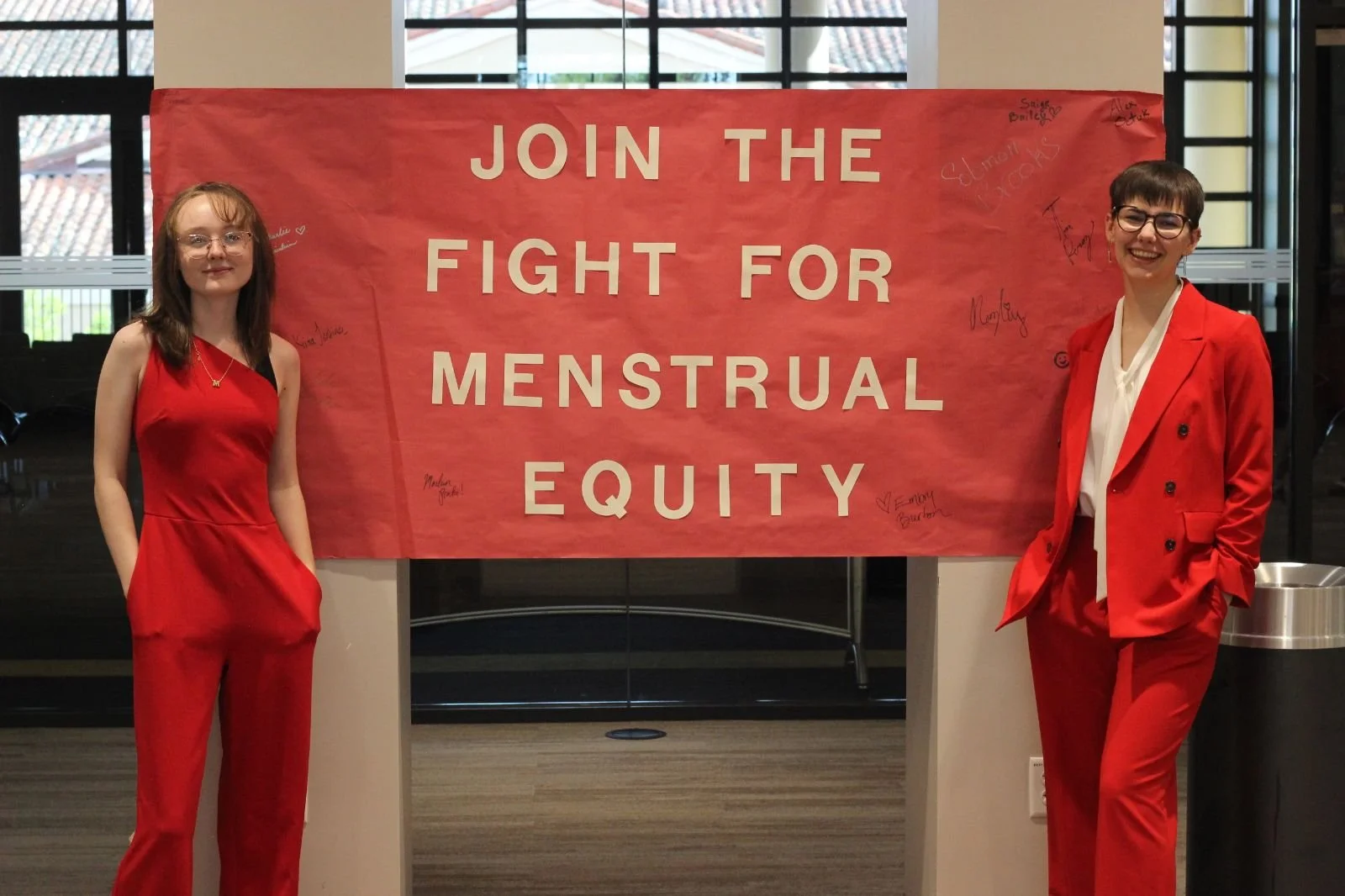
Embry’s story exemplifies the long arc of the Bonner experience: access to education, sustained community engagement, leadership development, and a launchpad into careers—and graduate programs—dedicated to advancing the public good.
From serving alongside community partners in Central Florida to preparing for global public health leadership in Atlanta, Embry carries forward the Bonner commitment to integrate academic excellence with meaningful, justice-centered service.
As they begin this next chapter, Embry’s path reflects what the Bonner Program does best: equipping students not only to succeed, but to serve—and to shape fields like public health with both scientific rigor and a deep commitment to community.
Learn More About the Bonner Graduate School Partnership
The Emory University Rollins School of Public Health offers two degree pathways:
Master of Public Health (MPH)
Master of Science of Public Health (MSPH)
The top-ranked public health program comprises six academic departments—behavioral sciences and health education, biostatistics, environmental health, epidemiology, health policy and management, and global health—and hosts over two dozen interdisciplinary centers, providing comprehensive training for the next generation of public health leaders.
If you have any questions about their programs you can contact, Ivone Foisy, Executive Director of Admission and Enrollment at [sphadmissions@emory.edu](mailto:sphadmissions@emory.edu?).
Bonner Benefits are offered to current Bonner Scholars and Leaders, and Bonner alumni. Through this partnership, Rollins School of Public Health guarantees $12,000 towards their Rollins Earn and Learn Award and a tuition scholarship of $30,000 (distributed over the course of your degree program) for accepted students. To learn more about this and other grad school partnerships click here.