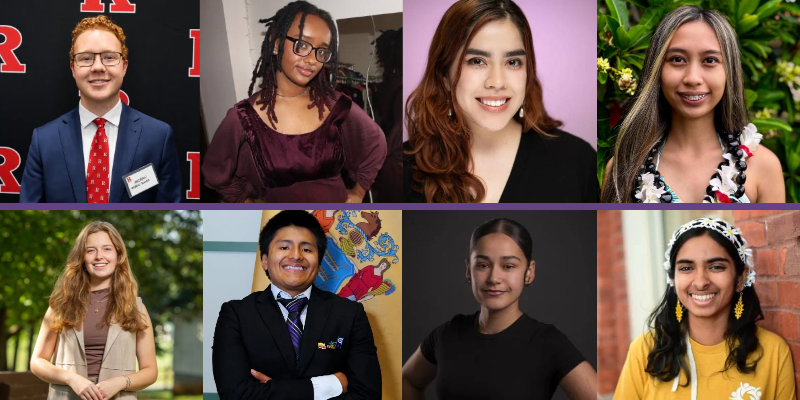
We are excited to announce that eight Bonners have been nominated for the Campus Compact 2026–27 Newman Civic Fellowship!
The Newman Civic Fellowship is a yearlong program that recognizes students who stand out for their leadership potential and commitment to creating positive change in communities. Fellows are nominated by Campus Compact member presidents and chancellors, who are invited to select one exemplary community-committed student from their campus each year.
Through the fellowship, Campus Compact provides these students with learning and networking opportunities that help to nurture their development as civic leaders. Programming emphasizes personal, professional, and civic growth that can empower them to collaborate effectively across disciplines and create large-scale positive change.
The Newman Civic Fellowship serves as an anchor program for Campus Compact’s expanded body of student-facing work. Campus Compact seeks to directly support student leadership both within and outside of the Newman Civic Fellowship, building capacity for student-led change and collective impact nationwide.
Below are the personal statements from each of the five Bonners who have been selected to be a part of the 2026-27 cohort of Newman Civic Fellows:
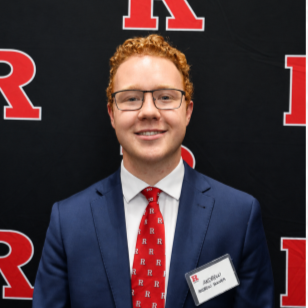
Andrew Hoover
Rutgers University - Camden
Class of 2028
Political Science and Pre-Law Double Major
Growing up, I didn’t understand why my dad spent so much time on the school board or why my mom chose to be a teacher. Looking back, I see that both were giving back to their community in different ways, and without realizing it at the time, they were showing me what service looks like. At Rutgers University-Camden, I carry the values my parents instilled in me. As a Bonner Civic Scholar, I’ve worked within the Camden community, focusing on improving access to essential resources and information. Through the creation of community resource hubs, I’ve worked with community partners to address gaps in awareness and accessibility. I’ve seen how connecting Camden residents to information can make resources more accessible and usable. Through my work with the Rutgers Democracy Lab and Student Governing Association, I focus on civic engagement and bringing people together on campus. These experiences have helped me understand that direct service is essential, but lasting impact requires improving not only the communities, but also the systems behind them. As I continue this work, I want to pursue a career in government and public administrative law so I can ensure policies work for the communities they’re meant to serve.
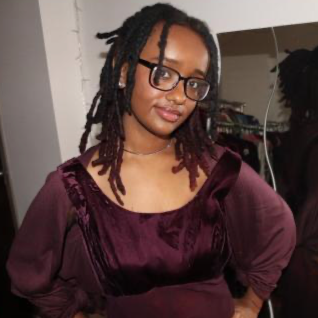
Beti Milashu
Augsburg University
Class of 2027
Sociology Major, Minor in Political Science (Pre Law)
Community has always been an integral part of my life. Finding a place of belonging is an innate human desire, and I want to help foster places where people can feel that. Giving back to communities that have helped me grow into who I’ve become is important to me, and I would also like to help provide resources in my community that I would’ve appreciated having in my youth as well. I’m truly grateful to be able to work at a nonprofit organization that caters to those values. At the organization I intern at, we help create sustainable fashion by upcycling secondhand clothing. We also provide an after-school program that teaches female youth important skills such as financial literacy, entrepreneurship, and sewing. I love being able to help combine my passion for the arts with civic engagement. I want to continue growing my experience serving my local community in the future as well. As a sociology major who has been studying the unequal structures we have set in our society, this has inspired me to pursue a career in the legal field so I can defend people’s civil rights. We are all interconnected as a society, and every action we take is influenced by others and will influence others. I would like the actions I take to help contribute to a more equitable and considerate world.
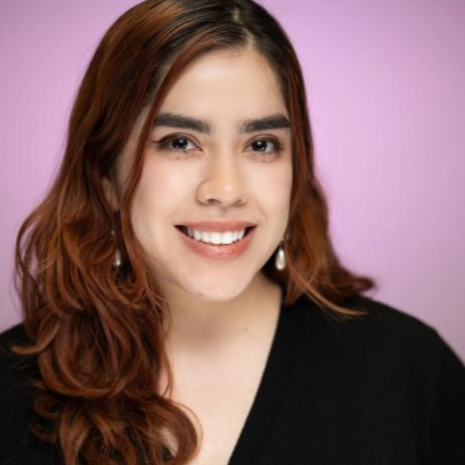
Karla Masin
Rutgers University - New Brunswick
Class of 2027
Political Science Major
As a first-generation immigrant, I know firsthand the significance of having support from the community, which is why I take it upon myself to be that connection. Having lived the majority of my life in an urban environment, I’ve come to understand the grievances that affect these communities. This is why, throughout middle school and high school, I volunteered in events such as clothing and food drives, and care package creation. That mission has carried over to my college experiences and career prospects. In my time at Rutgers, I have been working with the Zimmerli Art Museum to aid in the creation of language-inclusive initiatives and free public programming, specifically for Spanish-speaking populations. This bridges the gap in accessibility and opens the world of the arts to a wider range of demographics. Also, through the Advancing Community Development program, I have partaken in collaborative efforts to address food insecurity with Feeding Middlesex County. My efforts aim to reduce the communication and visibility disconnect that prevents organizations from learning what needs exist, and prevents individuals from learning what help is available.
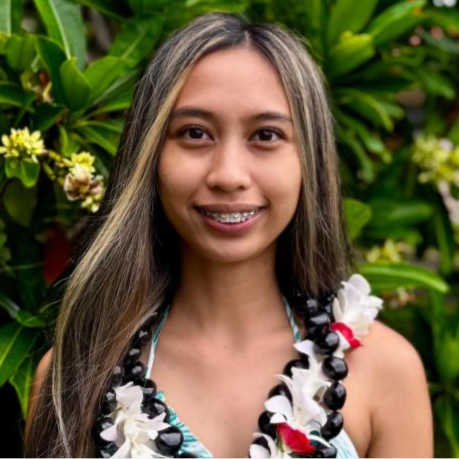
Lexy Ramos
University of Hawai’i at Hilo
Class of 2028
Biology Major
I don’t fit the traditional image of a leader, but my commitment to my community has driven meaningful change. I was born into poverty in a rural barangay in the Philippines, where my education was limited to my financial status. Immigrating 5,300 miles reshaped my life. For the first time, I experienced what it meant to be supported as a student. That support and mentorship from my community deepened my commitment to serve others. I am from Puna, Hawai’i, a tight-knit, underserved community facing socioeconomic challenges and health disparities. I engage in community-based health initiatives and explore how health education and outreach can address these gaps. I am drawn to scientific research and the hands-on nature of medicine, aspiring to be a culturally competent physician because healthcare access shapes how we live with dignity and security. Medicine and service are inseparable from my civic identity. My family often says an Ilokano proverb, “Ti tao nga nakaam-ammo ti rigat, isu ti makaawat ti padana” meaning those who understand hardship understand others. Meaningful change begins at the intersection of personal experience and community need, and I will continue working alongside others to address barriers that shape health and opportunity.
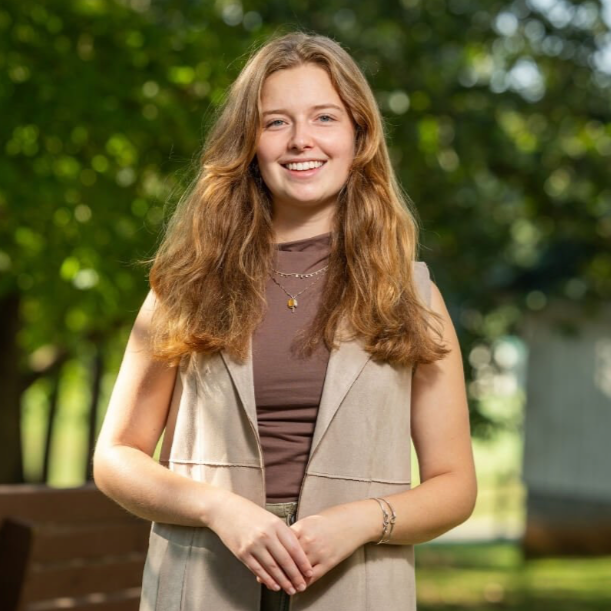
Lillian Patty
Maryville College
Class of 2028
Psychology Major
One of the biggest challenges in our communities right now is isolation. My commitment to public service comes from a desire to strengthen connections and promote whole-person wellness, especially for older adults who are often overlooked. My approach to addressing social issues begins with listening. I want to understand people’s real experiences before trying to create solutions. I use creativity and my background in psychology to build ideas that feel meaningful and realistic. I care deeply about helping people see and understand their neighbors, because I believe stronger relationships are what create stronger communities. I believe real change starts at the local level. In the future, I hope to create inclusive community spaces, connect seniors with better resources, and share the importance of whole-person wellness in everyday life. The Newman Civic Fellowship would give me mentorship from leaders who can push my thinking and help me turn my ideas into real, effective action within my community.
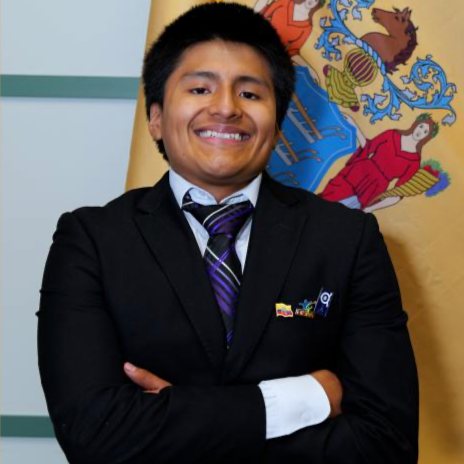
Mateo Llano
Montclair State University
Class of 2028
Public Health Major
What if I was never born? Last semester in my Public Health Policy class, my professor asked us a simple question: Can you connect your childhood to public health? That question led me to reflect on the first time my father shared his immigration story. Driven by the hope of creating a better future for his family, my father immigrated to the United States to find a lifeline for his wife, who was terminally ill with tuberculosis. In the rural Ecuadorian community where they lived, healthcare was neither affordable nor accessible, forcing him to make an unimaginable sacrifice. His decision is the reason I am here today, and it is what fuels my commitment to advocating for systemic change. It is why I see higher education as more than a degree. I see it as a story of resilience, shaped by the challenges that students and their families face navigating systems that were not built for them. Those stories have deepened my passion for ensuring students have the resources not only to succeed, but to one day reach back and create opportunities for others.
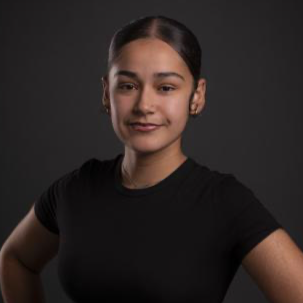
Priscila Ramirez
University of Richmond
Class of 2027
Economics and American Studies Double Major
As a Bonner Scholar at the University of Richmond, I have been deeply involved in community service and civic engagement, supporting local nonprofits with a focus on education and youth development. My internship with Harlem Grown allowed me to develop skills in program management, outreach, and operational support. Through my work with community partnerships, I connected with a wide range of professionals collaborating to support the Harlem community and beyond. I have also served as a Girls on the Run coach for three seasons, acting as a mentor for young girls and teaching lessons on confidence and perseverance. I have also supported logistics by helping set up events, writing thank-you letters, and tabling, which allowed me to engage more directly with the Richmond community. These experiences have helped me learn the ins and outs of nonprofits and helped shape my college career. I hope to continue this work long after I graduate.
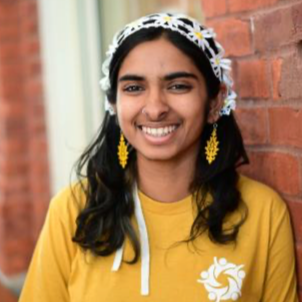
Utsa Seth
Berea College
Class of 2027
Environmental Science Major, Minor in Community and Civic Engagement
I believe in approaching public problems by seeking out multiple perspectives and grounding my understanding within a local context. I am never satisfied with understanding an issue from only one lens. A desire to expand my worldview led me to the United States, where I could pursue a liberal arts education across disciplines and in a brand-new context. Here, academic study continues to shape how I think about social issues, while experiential learning shapes how I engage with them. Learning by doing allows me to hold multiple truths at once. I believe this nuance is essential to addressing the complex interdisciplinary problems of today. When I first understood how rapidly the climate was changing, I felt an urgency to acquire the skills needed to make the biggest possible impact, and yet I found myself unable to act. Working as an environmental educator at a summer camp broke that barrier. It allowed me to ground my urgency in a specific context and move forward one activity at a time... Across experiences, I am motivated by the possibility of bringing diverse ways of thinking—research, storytelling, organizing, and education—together to develop collaborative, context-specific solutions.
Other campuses in the Bonner Network that had students recognized include: Bates College, Brown University, Colorado College, Macalester College, Oberlin College, Rollins College, Spelman College, and University of Mississippi.
Learn more about the fellowship at compact.org/newman-civic-fellowship. You can read more about each of the student leaders selected for this year’s cohort at compact.org/newman-civic-fellowship/fellows.