![Sewanee Bonner Making Haste with Waste]()
While you might get squeamish at the thought of maggots working their way through a mountain of discarded food waste, Chris Hornsby, C’19, has spent four years studying the process, and he’s here to tell you that it’s more appealing than abhorrent, more captivating than creepy, more engrossing than gross.
With a background in engineering and environmental studies, Hornsby has been working with the University Farm to develop an innovative composting prototype that has the potential to change the landscape of waste-management systems far beyond the Mountain. And he hopes to make the work of his maggots—specifically black soldier fly larvae—as approachable and actionable as recycling currently is.
“I know I have a bias because of my work, but I think they’re one of the cutest bugs I’ve ever come across,” Hornsby says. “They’re really intriguing creatures.”
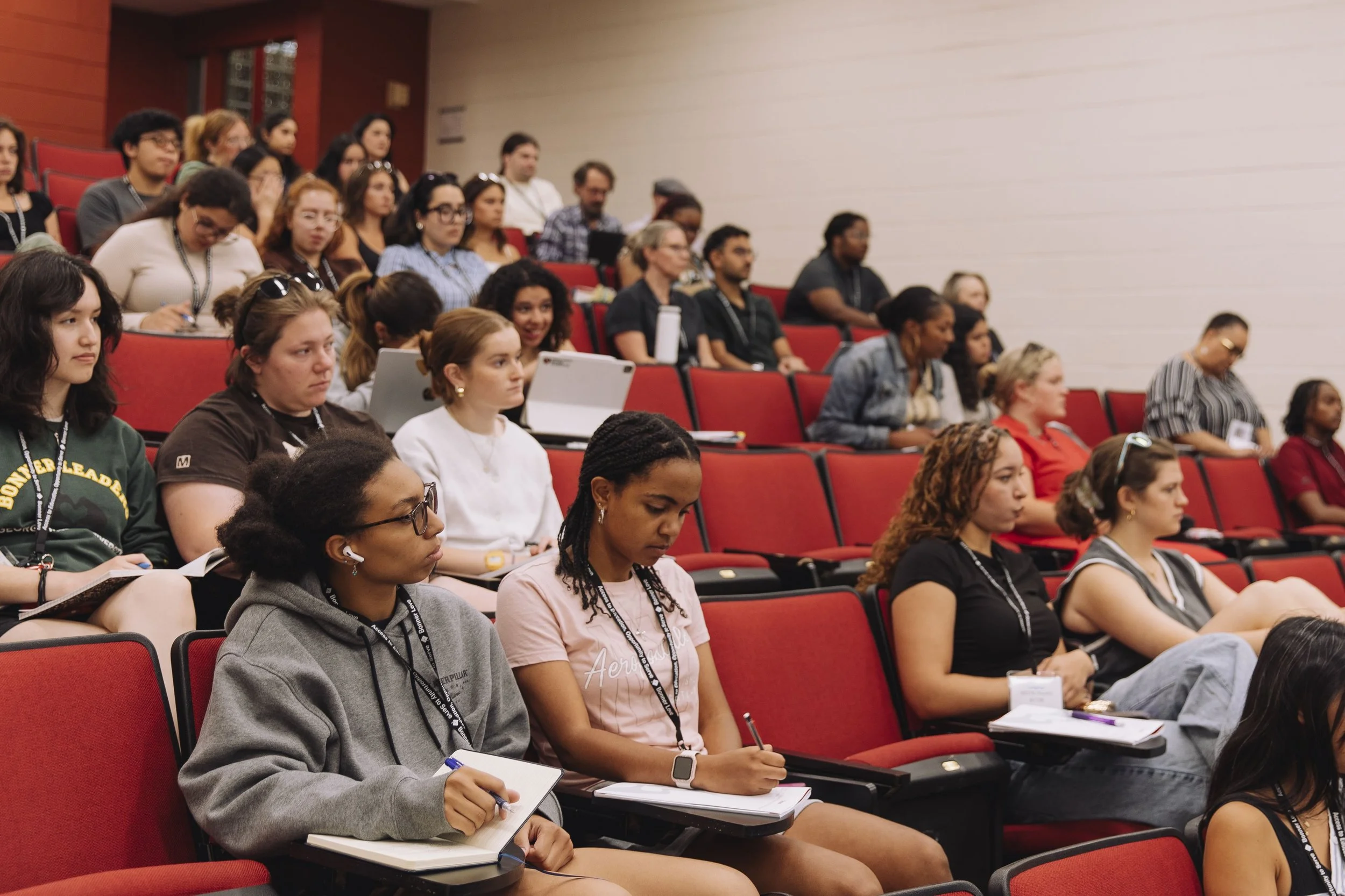
Black soldier fly larvae have been at the forefront of Hornsby’s work since he arrived on campus. As a freshman, he applied to the Bonner Leader program, a four-year leadership and community service internship program. In addition to taking a series of skill-building workshops, “Bonners,” as the student program participants are known on campus, are partnered with community service organizations to increase the organizations’ capacity to do their work. Having recently developed an interest in agriculture, Hornsby chose to work with the University Farm, part of the Office of Environmental Stewardship and Sustainability.